Laser Hair Removal

Laser hair removal is sought for cultural, medical, and cosmetic reasons as traditional methods like shaving, waxing, tweezing, bleaching, and depilatories offer only short-term results and require ongoing maintenance. Laser hair removal provides long-term hair reduction, with any regrowth typically becoming finer and lighter.
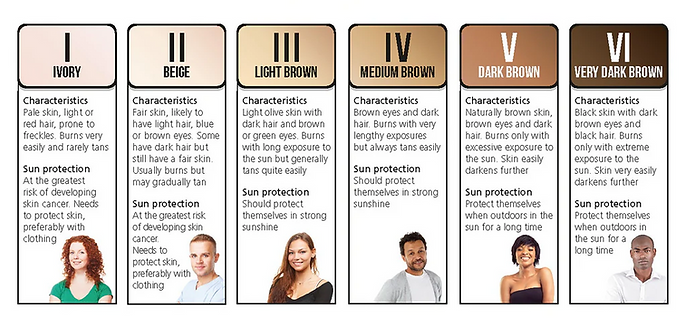
Popular since the mid-1990s, laser hair removal is especially effective for larger areas such as the legs, back, and chest. Treatment may cause mild discomfort, often described as a warm or prickly sensation, and a topical anaesthetic can be used if needed. Suitable for most clients, a consultation and test patch are required beforehand. Best results are usually seen in darker hair and Fitzpatrick skin types I–V, while red and blonde hair can be more difficult to treat.
How does laser hair removal work?

You’ll need to shave the area of skin the day before your appointment. On the day, you’ll be provided special googles to protect your eyes during the procedure.

The practitioner will use a hand-held attachment that will direct a focussed beam of light over the area to be treated. The practitioner will trigger the laser which heats the hair follicle in a matter of milliseconds. This may feel like an elastic band snapping at your skin.

After the treatment, the hairs will fall out (this period is called casting) over a course of 2 weeks the beam of light weakens or destroys the hair follicle and the follicle will become detached from the shaft.

Once the follicle is gone the hair cannot regrow.

Procedure Time
Varies

Recovery
Immediate

Complications
Mild redness, irritation

Back To Work
Immediate

Sensitivity Period
24-48 hours (approximately)

No. of Treatments
6-12 sessions conducted every 4-6 weeks

Anaesthetic
Not Required

Results
Long term/permanent
The Fitzpatrick Skin Type Scale