
Acne & Rosacea

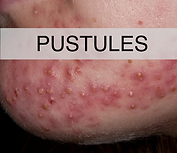
Common Types of Acne



Frac 3 Treatment

Procedure Time
30 mins average

Recovery
Immediate

Complications
Minor discomfort during the treatment

Back To Work
Immediate

Sensitivity Period
24 hours (generally)

No. of Treatments
1-2

Anaesthetic
Not Required

Results
Long Term
Acne
Acne is a chronic inflammatory disorder, it a common problem in all skin types that can affect people in all ages and stages of their lives. It is the most common of skin complaints and affects over 90% of adolescents. Acne can have a big influence on the life of those who have it, it’s a condition from which many people lose confidence and it has a big impact on the way we feel psychologically and emotionally. It’s most common to have acne in teenage years as this is the time when our body changes and goes through puberty. Although many adults goes through it too whether it’s a young adult or over 40s.
Some of the main factors contributing to Acne: Puberty, stress, medications, poor diet, poor skincare regime, overuse of types of skin product
Rosacea & Acne Rosacea
Rosacea is a common inflammatory skin condition that mainly affects the face, causing redness on the nose, chin, cheeks, and forehead. Over time, redness and flushing can intensify as leaky blood vessels trigger inflammation, leading to papules. Acne in rosacea is linked to vascular flushing around the sebaceous glands. While rosacea does not affect physical health, its visible symptoms can cause significant self-consciousness.
Contributing factors include poor skincare, diet (such as alcohol, caffeine, refined sugar, dairy, and certain fruits), sun damage, climate, abnormal or leaky blood vessels, the Demodex mite, immune system reactions, and genetics. Although rosacea is challenging to treat due to genetic and hormonal influences, effective management is possible with consistent skincare, particularly products containing high-potency vitamin C to strengthen the skin and capillaries.
How do we treat acne & rosacea conditions?
Treatment is approached in 3 distinct steps, all of which are specifically tailored to the individual client and the prevailing Acne and Rosacea skin conditions present.
Frac 3 Laser Treatment
Frac3 is also a setting of the long pulse 1064nm Nd:YAG laser unique to Fotona. This time the 1064nnm Nd:YAG laser is set on a very short pulse duration of high power. This very short pulse duration creates a sudden, short controlled pulse of heat into the deeper layers of the skin which creates a “shockwave-like” effect. This seeks out and heats up “imperfections” in the dermis creating microscopic wounds under the skin in a fractionated way. These microscopic fractionated wounds then stimulate growth factors, new collagen production and aid the recovery of the capillary network which in turn reduces surface redness. The surface of the skin is not affected, so there is no visible recovery time, some people experience mild redness for a short period after treatment. This normally recovers in a couple of hours. It is good for “skin cleansing”, as it heats up oil in the pores, and when done repeatedly improves and tightens pores, improves acne, improves skin texture and achieves some tightening.